

Bitcoin Investment 2025
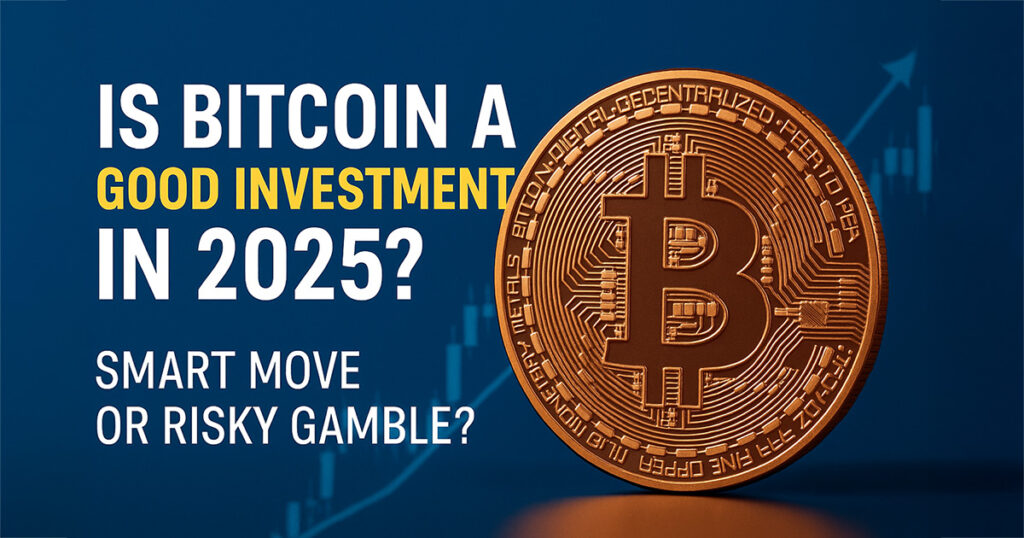
As we step further into 2025, one question keeps circling among investors and crypto enthusiasts alike: Is Bitcoin still a good investment this year? With its history of dramatic price swings, halving events, and evolving regulations, Bitcoin continues to spark both excitement and skepticism.
In this article, we’ll dive into the factors influencing Bitcoin’s value in 2025, explore market trends, weigh risks and opportunities, and help you decide if it’s the right time to get in—or stay in—the game.
What Has Changed Since 2024?
2024 was a landmark year for Bitcoin. The highly anticipated Bitcoin halving event occurred, cutting miner rewards in half and sparking discussions on supply shock. As usual, this event tightened the supply of new BTC entering circulation—traditionally a bullish trigger.
- Institutional adoption increased, thanks to the approval of multiple Bitcoin ETFs.
- Regulatory clarity improved in countries like the U.S. and South Korea.
- Central banks continued experimenting with digital currencies, putting crypto in the spotlight.
Bitcoin’s Price History at a Glance
| Year | Average Price | Notable Events |
|---|---|---|
| 2020 | ~$9,000 | Institutional adoption began |
| 2021 | ~$47,000 | Tesla buys BTC; ATH at $69k |
| 2022 | ~$19,000 | Crypto winter & Terra collapse |
| 2023 | ~$30,000 | Recovery and ETF rumors |
| 2024 | ~$52,000 | Halving event and ETF approvals |
| 2025 | ~$65,000+ | Stabilized growth with major backing |
Expert Opinions on Bitcoin in 2025
Industry experts have weighed in with their 2025 projections:
- Cathie Wood (ARK Invest): Projects Bitcoin could exceed $100,000 if institutional demand continues.
- Michael Saylor (MicroStrategy): Remains bullish, recently increased corporate holdings.
- JPMorgan Analysts: See potential but caution about volatility due to macroeconomic variables.
Bitcoin vs. Traditional Investments in 2025
| Asset | Volatility | Returns (5-Year) | Liquidity | Risk Profile |
|---|---|---|---|---|
| Bitcoin | High | ~180% | High | Moderate to High |
| S&P 500 | Low | ~60% | High | Low |
| Gold | Low | ~25% | Moderate | Low |
| Real Estate | Moderate | ~35% | Low | Moderate |
What Drives Bitcoin’s Value Today?
- Scarcity: The fixed 21 million BTC supply becomes more appealing amid inflation.
- Adoption: Use cases like cross-border payments and inflation hedging grow daily.
- Institutional Interest: Companies, ETFs, and sovereign funds now include Bitcoin.
- Market Sentiment: News cycles and social media trends still impact short-term price.
Is the 2024 Halving Boosting Confidence?
Yes. The 2024 halving has:
- Reduced daily Bitcoin issuance.
- Reignited discussions on Bitcoin’s “digital gold” narrative.
- Led to increased scarcity, often followed by price surges.
Risk Factors: Is Bitcoin Still Volatile in 2025?
Absolutely—but it’s improving. Key risks include:
- Regulatory changes: Sudden government crackdowns can impact prices.
- Security threats: Wallet hacks, exchange vulnerabilities, and scams remain.
- Market manipulation: Whales and institutions can still sway price direction.
Long-Term Potential or Short-Term Speculation?
It depends on your goal:
- HODLing (long-term) is best for believers in Bitcoin’s global role.
- Trading (short-term) can be profitable, but requires experience and tools.
Use Cases: Is Bitcoin Really Being Used?
Yes—and increasingly so:
- Remittances: Especially in Latin America and Southeast Asia.
- Hedging inflation: In countries like Argentina, Bitcoin is a lifeline.
- Merchant adoption: Growing acceptance of BTC via Lightning Network.
- Smart contracts: Emerging on Bitcoin sidechains like Stacks.
How Institutional Investors Are Influencing the Market
- Reduced speculative trading dominance.
- Increased price stability and long-term holdings.
- Improved Bitcoin’s perception as a legitimate asset.
Crypto Regulations in 2025
In 2025, most major economies have defined:
- Tax policies for crypto gains.
- Compliance rules for exchanges.
- Investor protections for retail buyers.
Public Sentiment and Media Coverage
- Headlines focus on innovation over fear.
- Social sentiment, especially on X (formerly Twitter), leans optimistic.
- Memes still play a role—but with smarter commentary.
Who Should (and Shouldn’t) Invest in Bitcoin?
Should invest:
- Risk-tolerant individuals
- Diversified investors
- Crypto enthusiasts who understand the tech
Should avoid or tread carefully:
- Anyone needing short-term liquidity
- Those unfamiliar with private key management
- Investors expecting guaranteed returns
How to Safely Invest in Bitcoin in 2025
- Use reputable platforms like Cash2Bitcoin or MoonPay.
- Store BTC in cold wallets for security.
- Start with small, regular purchases (DCA) to mitigate volatility.
- Always use 2FA and password managers.
FAQs
Should I buy Bitcoin now in 2025?
Yes, if you’re investing long-term and can tolerate volatility. Prices are stable, and adoption is growing.
Is Bitcoin safer to invest in than it was in 2021?
Yes. Better regulation, secure platforms, and more education make it less risky today.
How much should a beginner invest?
Start with 1–5% of your total investment capital. Always invest what you can afford to lose.
What are the top Bitcoin alternatives?
Ethereum (ETH), Litecoin (LTC), and Solana (SOL) are popular choices depending on use case.
Can Bitcoin crash to zero?
Highly unlikely. Institutional backing and mainstream integration make such a crash improbable.
Conclusion
Bitcoin in 2025 offers both promise and peril. While it’s no longer a fringe asset, it’s still a highly dynamic investment. The potential rewards remain strong for those willing to do their homework and manage risks.
Thinking of jumping in?
Find your nearest Bitcoin ATM, or buy Bitcoin Online.
Disclaimer
This article is for informational purposes only and does not constitute financial advice. Cryptocurrency investments are highly volatile and risky. Past performance does not guarantee future results. Investors should conduct their own research and consult with qualified financial professionals before making investment decisions. The author and publisher are not responsible for any financial losses that may result from investment decisions based on this information. Never invest more than you can afford to lose.

